Why Accurate Temperature Matters for Grilling and Roasting
Great barbecue is less about luck and more about numbers. Whether you are smoking a brisket for twelve hours or searing a thick ribeye over high heat, the difference between juicy and dry usually comes down to a handful of degrees. A reliable grill thermometer takes the guesswork out of cooking, helps you hit safe internal temperatures, and lets you repeat your best results instead of hoping for them.
Food safety guidelines are built around temperature, not time. Poultry needs to reach 165°F in the thickest part, ground meats 160°F, and whole cuts of beef, pork, and lamb 145°F with a rest. Without a thermometer, you are judging doneness by color and feel — both of which can mislead you, especially on a smoky grill where lighting is poor.
Thermocouple vs. Instant-Read vs. Wireless Remote Thermometers
Thermocouple thermometers
Thermocouple models read temperature in two to three seconds because the probe generates a tiny voltage at the junction of two metals. They are the tool of choice for professionals and anyone who opens the lid often. The Pro-Temp Professional Thermocouple Thermometer is a good example of this category: fast, precise, and built for repeated high-heat use.
Instant-read thermometers
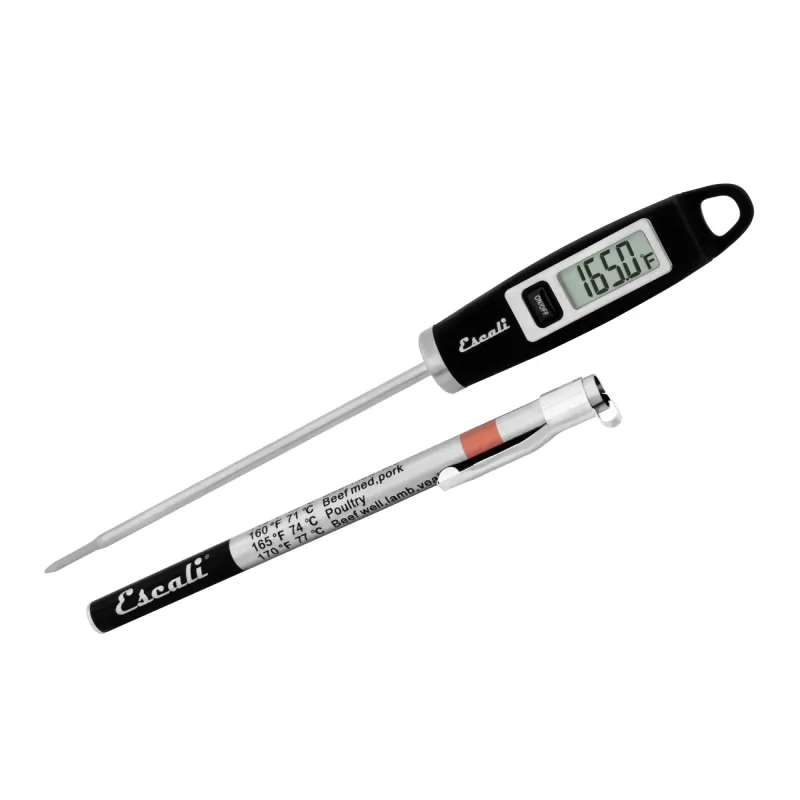
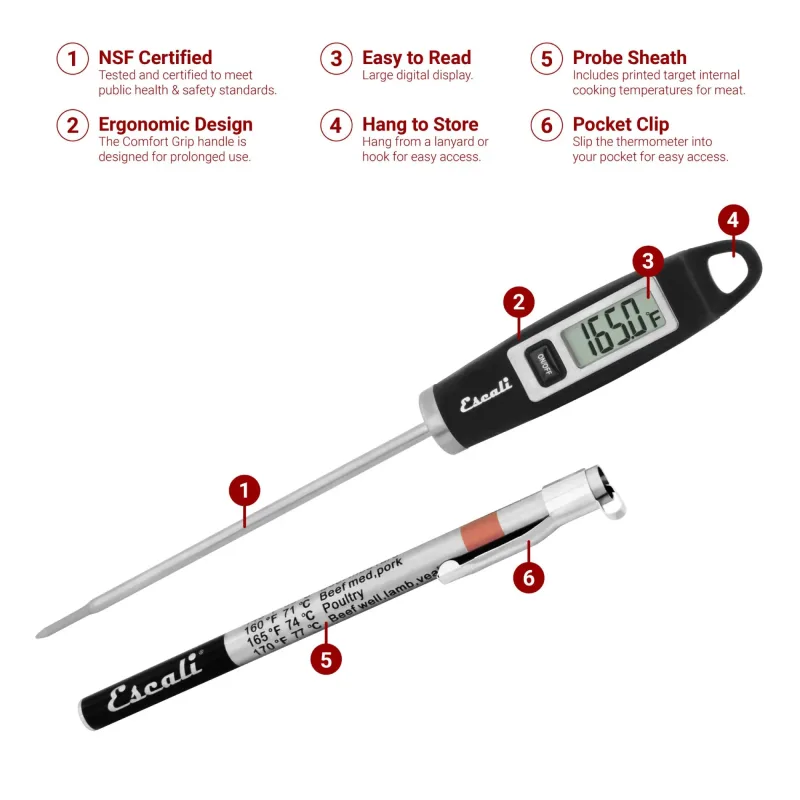
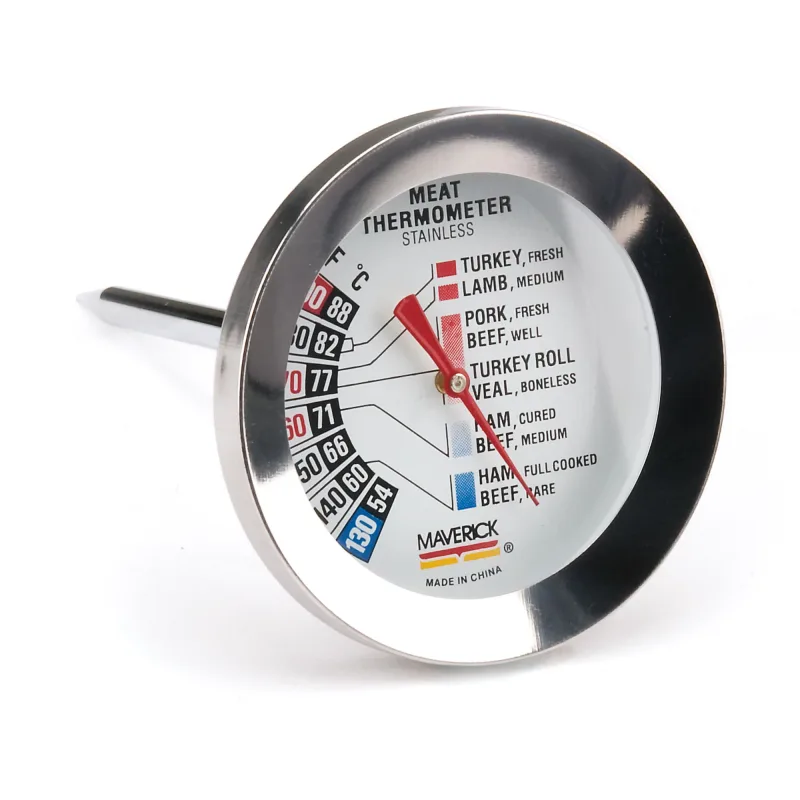
Digital instant-read thermometers typically settle in five to eight seconds and cost less. They are perfect for spot-checking burgers, chicken breasts, and roasted vegetables. The Gourmet Digital Thermometer covers everyday cooking neatly, while the Large Dial Meat Thermometer offers a classic analog option that never needs a battery.
Wireless remote thermometers
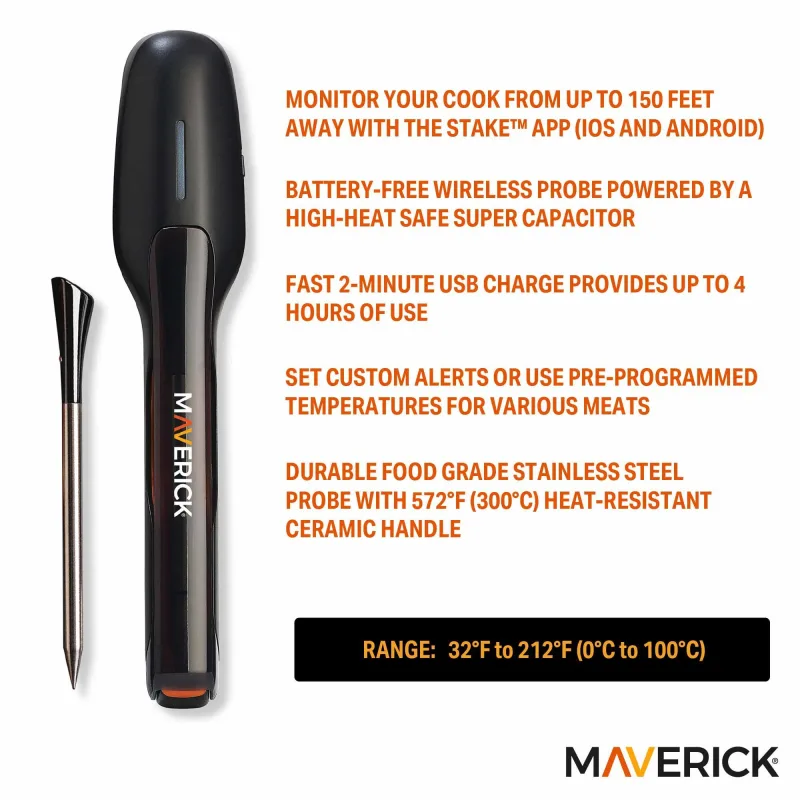
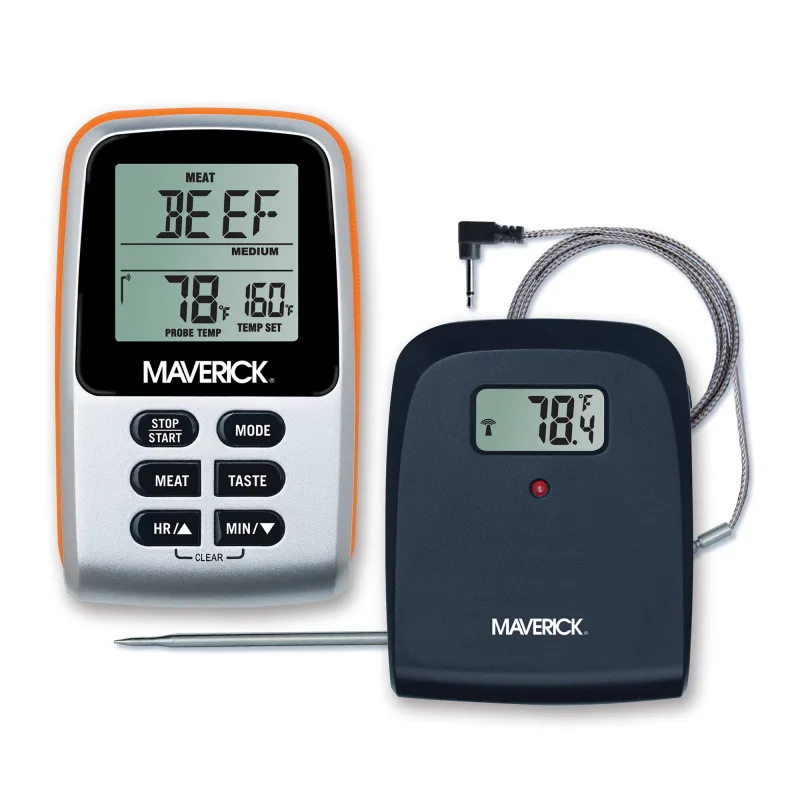
Wireless remote thermometers leave a probe in the food and transmit readings to a base unit or your phone, so you can monitor a long cook from inside the house. For low-and-slow sessions, the STAKE™ Extended Range Wireless Bluetooth Thermometer keeps you connected without hovering over the grill, and the Wireless Remote Cooking Thermometer is a straightforward choice for two-zone monitoring.
Matching Shaft Length and Probe Type to Your Setup
Shaft length matters more than most shoppers expect. A short probe works for thin cuts like flank steak or fish fillets, but it will not reach the center of a whole chicken or a pork butt. For large roasts, look for a shaft of four inches or longer so the sensor sits in the middle of the meat rather than near the surface.
- Thin cuts and burgers: a short, narrow probe that responds quickly.
- Whole poultry and roasts: a longer shaft that reaches the thermal center.
- Griddle and pan cooking: an infrared surface thermometer for pan temperature, plus a probe for internal readings.
- Oven roasting: an oven-safe probe with a heat-resistant cable, or a dial thermometer that stays in the oven.
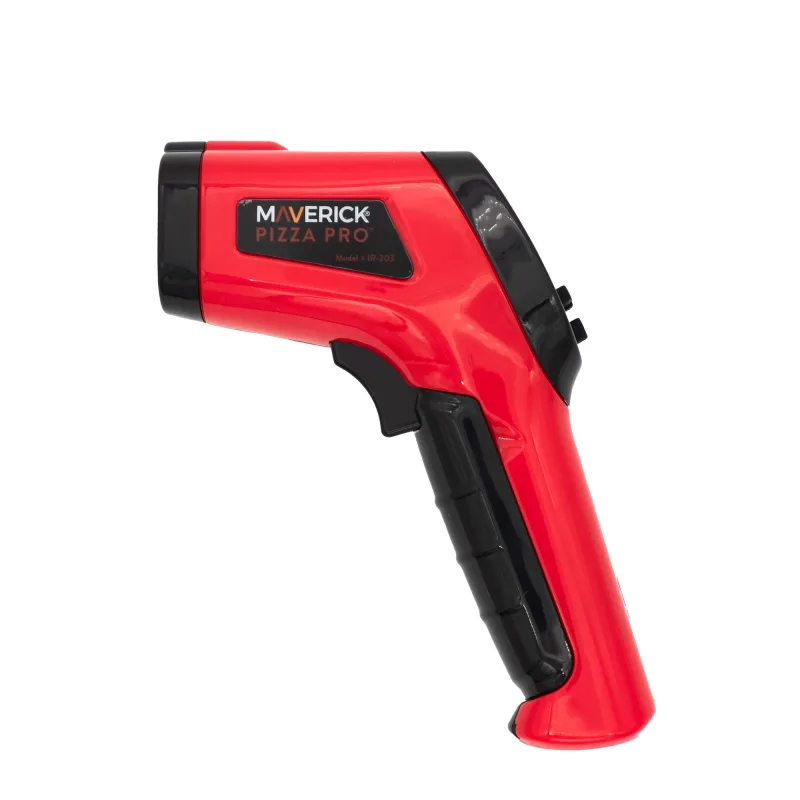
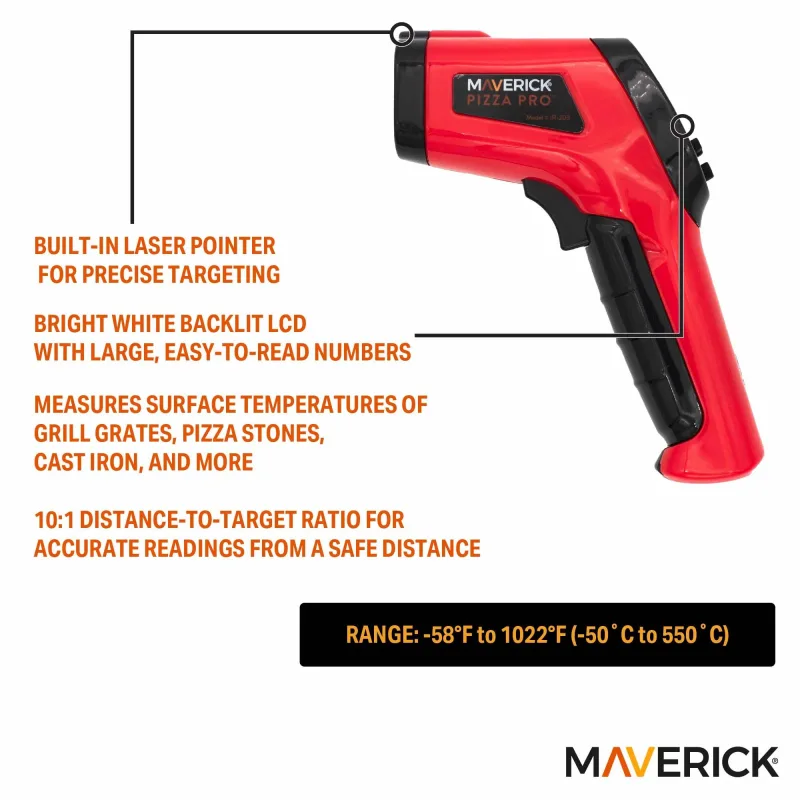
An Infrared BBQ Surface Thermometer is a useful companion because it measures grate and pan temperature instantly without touching the surface. That helps you find hot and cool zones before food ever hits the grill.
Using Thermometers with Grill Accessories and Safe Handling
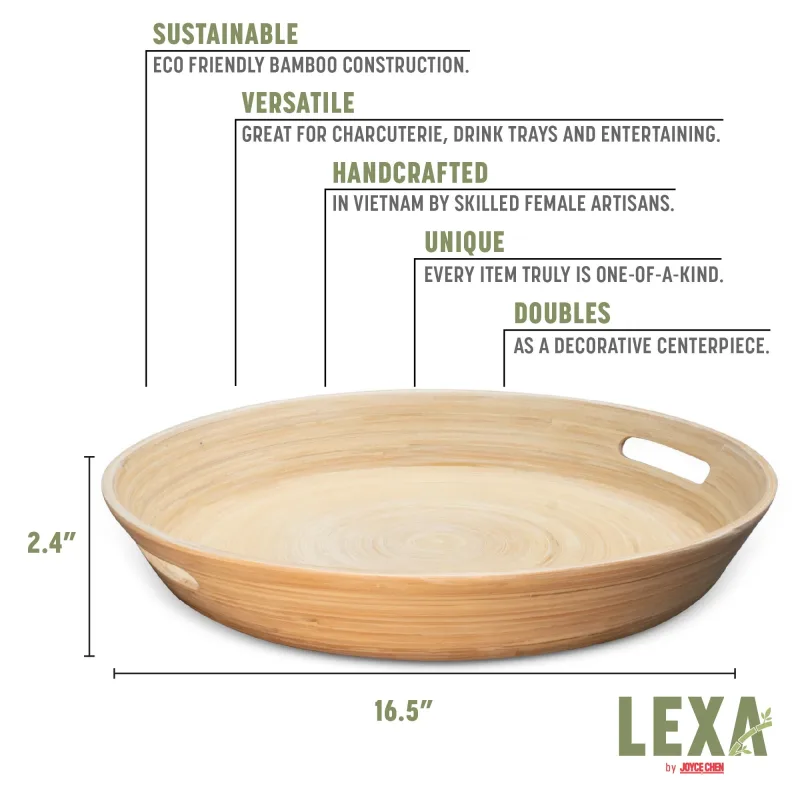
Temperature tools work best alongside good accessories. Long-handled utensils keep your hands away from flare-ups, and a sturdy tray gives you a landing spot for hot probes and resting meat. The Lexa Bamboo Serving Tray w/ Handles, 16 Inch handles a resting brisket comfortably, and heat-resistant gloves plus tongs make probe placement safer and faster.
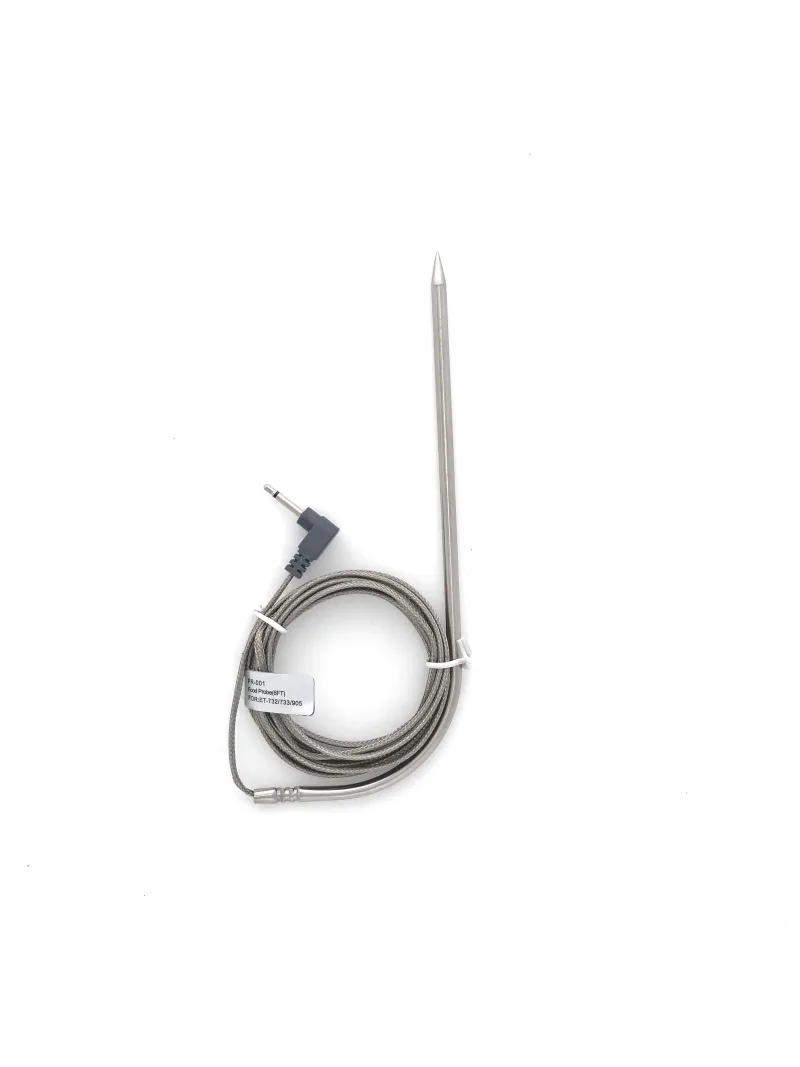
Keep replacement probes on hand if you cook often. Cables eventually wear out, and a spare set means you are never stuck mid-cook — the Maverick Replacement Probes fit that role for compatible units. Also remember to clean probes with warm soapy water and avoid submerging the cable connection.
Quick Calibration and Care Tips
Even good thermometers drift over time. The ice-water method is the simplest check: fill a glass with crushed ice and water, stir, and insert the probe without touching the sides. It should read 32°F. For a second reference point, boiling water reads about 212°F at sea level, adjusted for altitude.
- Calibrate at the start of grilling season and after any accidental drop.
- Wipe probes clean before each use to avoid residue affecting readings.
- Store thermometers away from high heat and moisture.
- Replace frayed cables rather than taping them.
Choose the thermometer that matches how you actually cook: a fast thermocouple for high-heat grilling, an instant-read for everyday meals, and a wireless remote for long smokes. With the right tool and a quick calibration habit, consistent, perfectly cooked results become the norm rather than the exception.