What a Thermocouple Thermometer Actually Measures
A thermocouple thermometer reads temperature at the tip of a metal probe, where two dissimilar wires meet. Heat at that junction generates a tiny voltage, and the unit converts it into a number. The payoff is speed. A good thermocouple settles in two to three seconds, which is why line cooks keep one clipped to an apron instead of hunting for a dial.
Shaft diameter is the part most people ignore, and it matters more than the display. A 0.310-inch shaft holds up in a 12-pound prime rib because it punches through the crust without bending, and the thicker steel resists heat soak while you wait for a stable reading. A 0.160-inch probe slides into a chicken breast or a pork tenderloin with almost no resistance, and it leaves a hole small enough that juices barely escape.
If you want one instrument that handles both, look at the Pro-Temp Professional Thermocouple Thermometer. It's the kind of tool you buy once and stop thinking about.
When an Instant Read Is All You Need
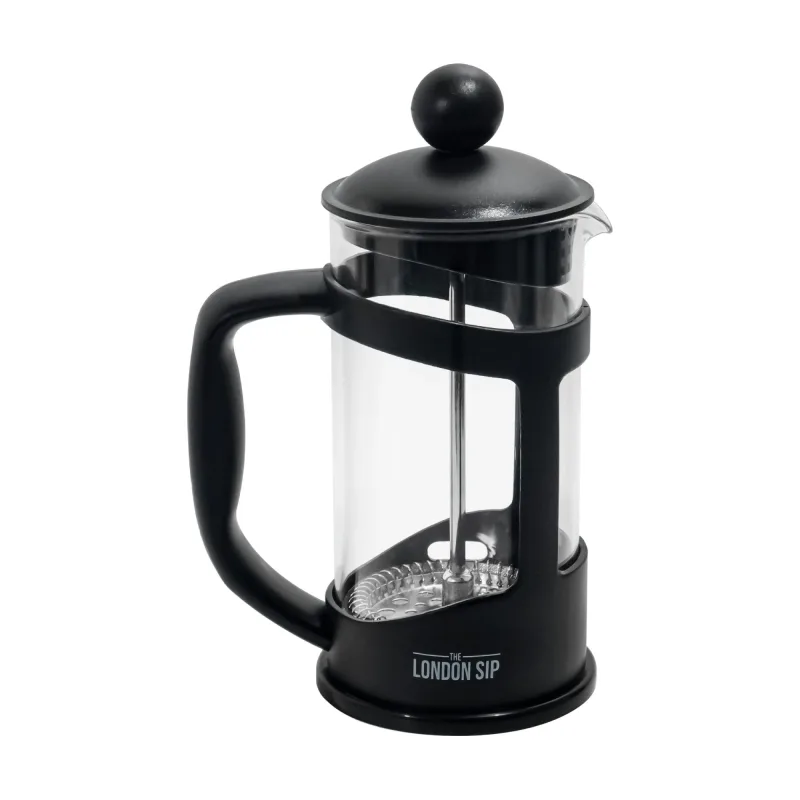
Not every job deserves a professional unit. Flipping a burger on a Tuesday night? A folding digital thermometer clipped to the hood gets you there. Same story with coffee. I check the water in my French Press Immersion Brewer at 200°F, and a cheap instant read is accurate enough for that.
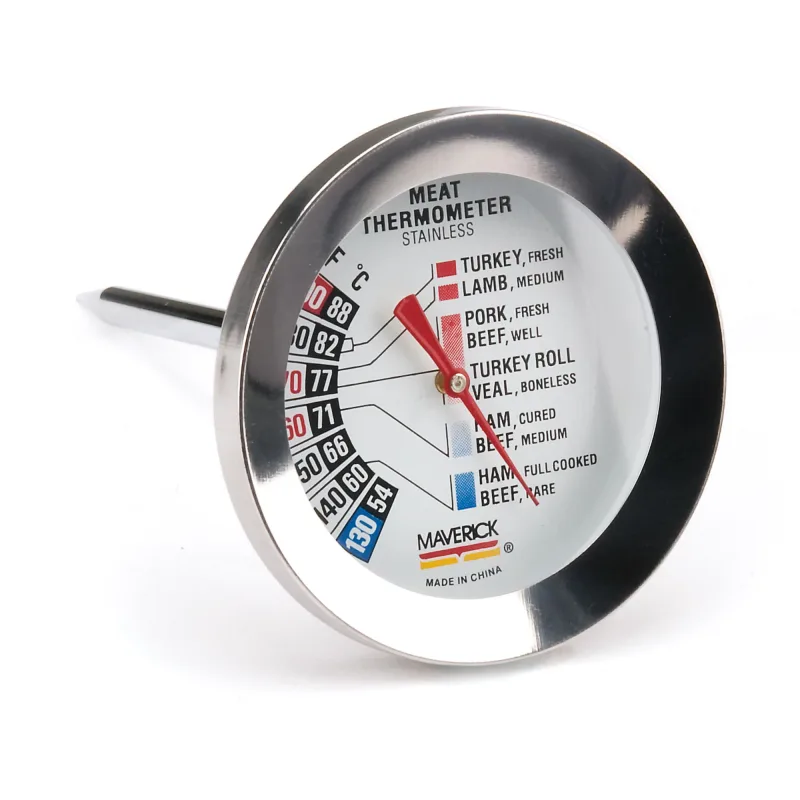
Dial models have one real advantage: no battery anxiety. The Large Dial Meat Thermometer lives in my roasting pan drawer and gets used for whole chickens and pork loins. It's slower, maybe 15 to 20 seconds, but I'm not standing over the oven during those seconds anyway.
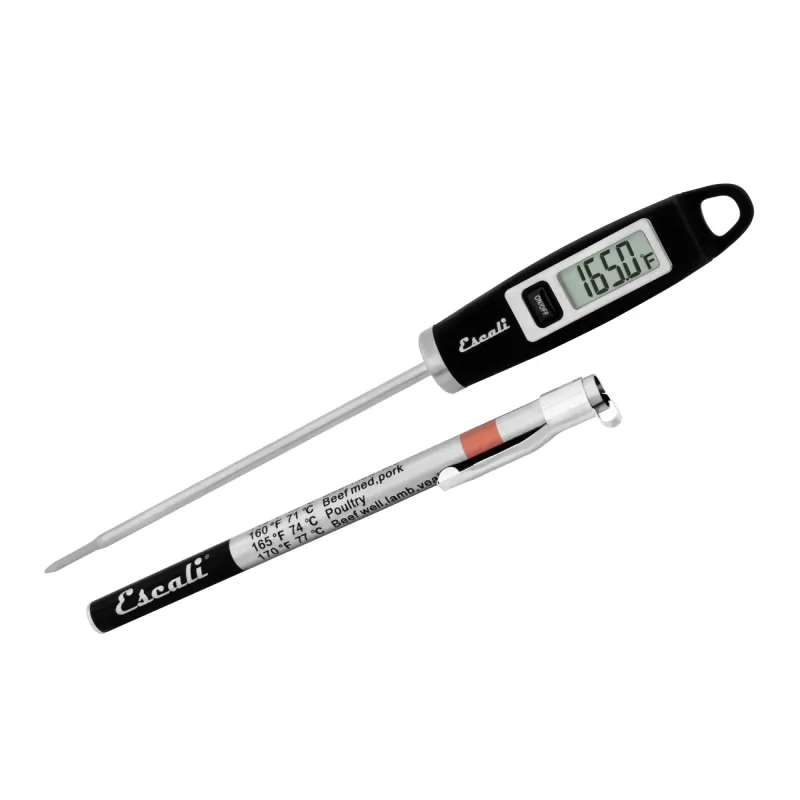
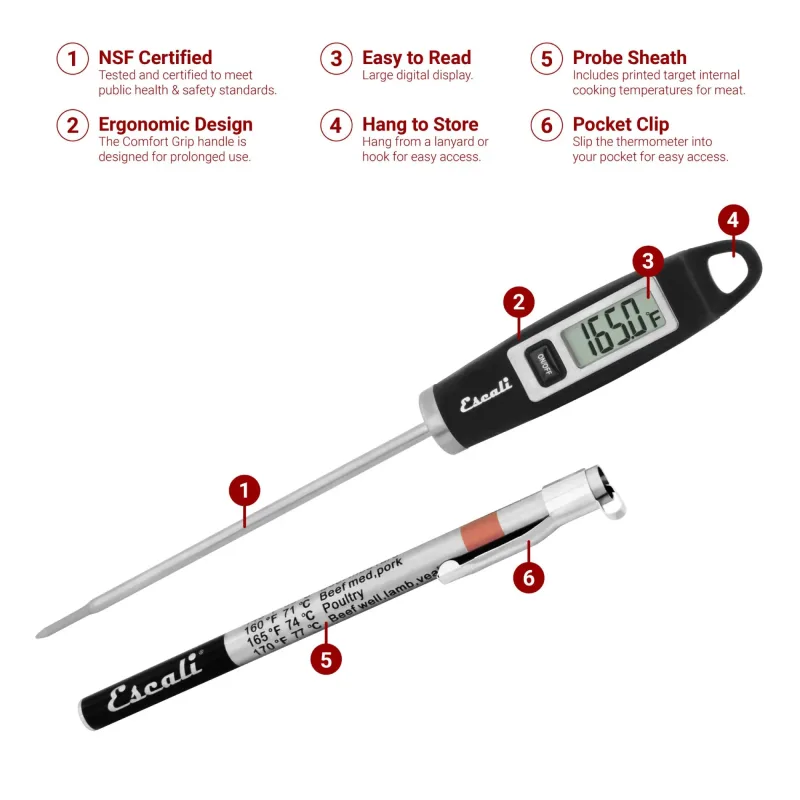
The Gourmet Digital Thermometer sits in the middle. Digital readout, reasonable speed, and a price that makes it a fine second thermometer for the grill bag.
Specialty Jobs Need Specialty Tools
Four categories cover most of what a home kitchen actually needs beyond the all-purpose probe.
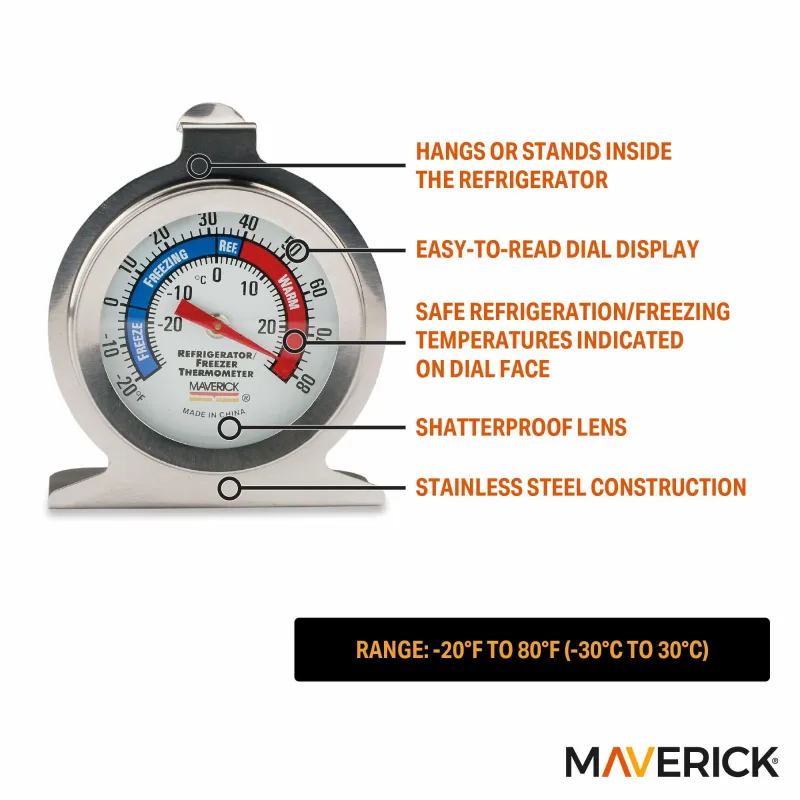
- Cold storage: A dedicated Refrigerator/Freezer Thermometer tells you whether that shelf is really at 38°F or quietly drifting toward 45°F. Mine caught a failing door gasket last winter.
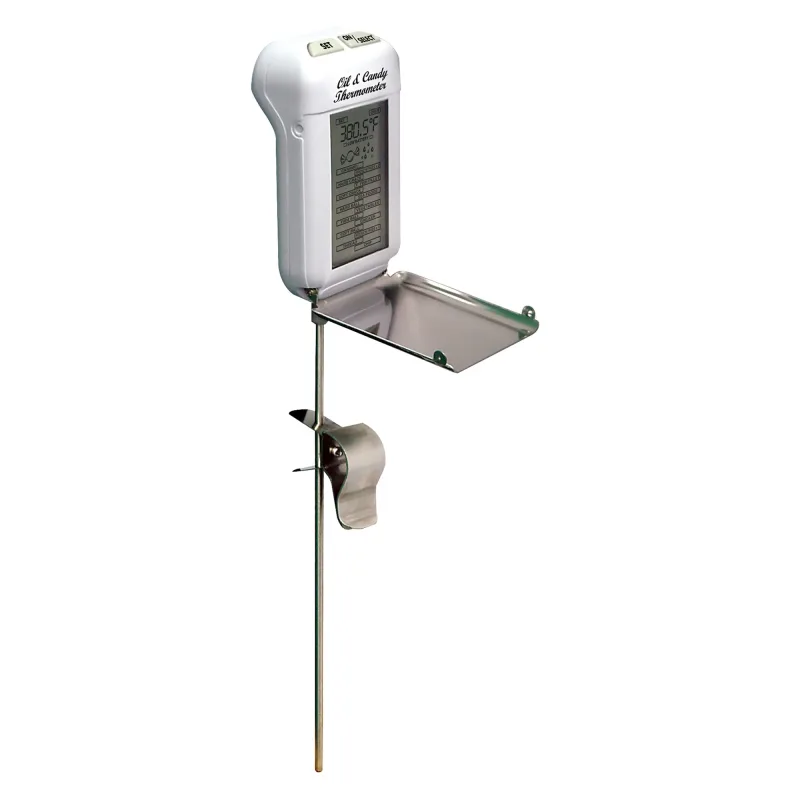
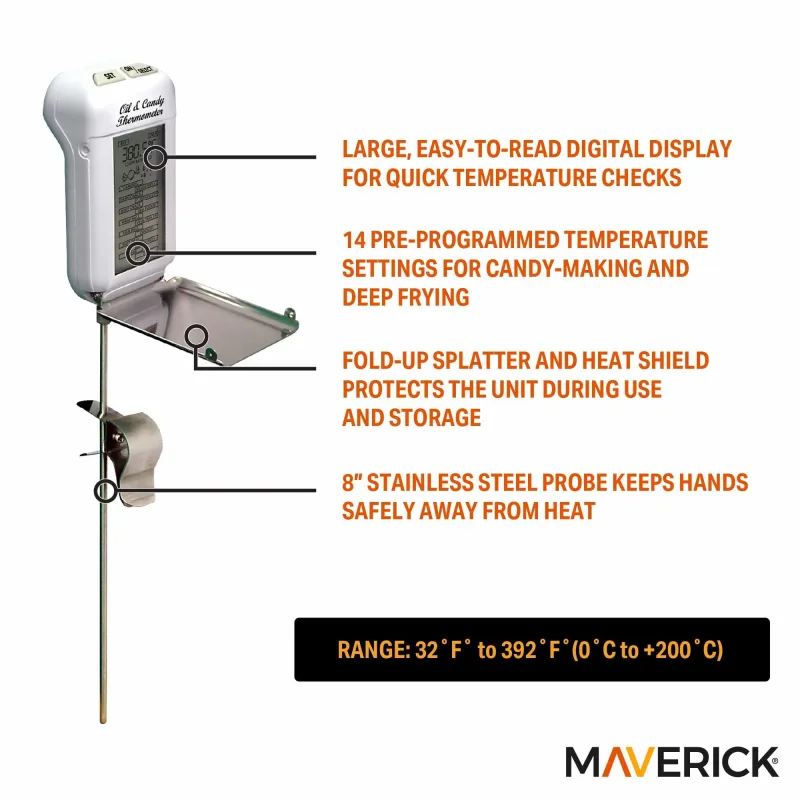
- Frying and sugar work: Candy and deep-fry ranges demand fast response and a high ceiling. The Digital Candy and Deep Fry Thermometer handles both without the probe lagging behind the oil.
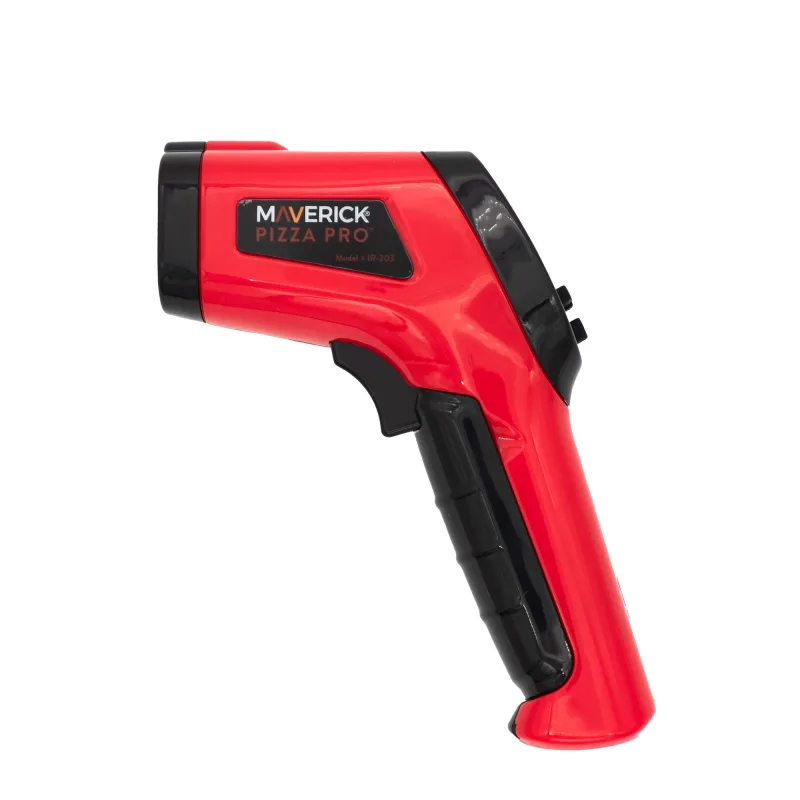
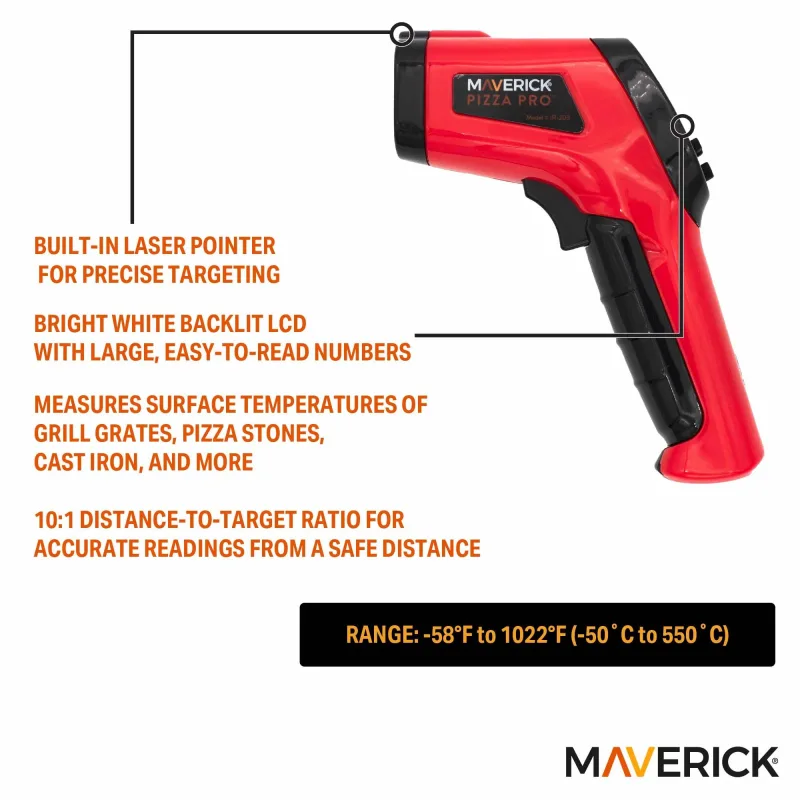
- Grill surface: Grate temperature isn't air temperature. An Infrared BBQ Surface Thermometer reads the metal itself, which is why two zones on the same grill can differ by 150°F.
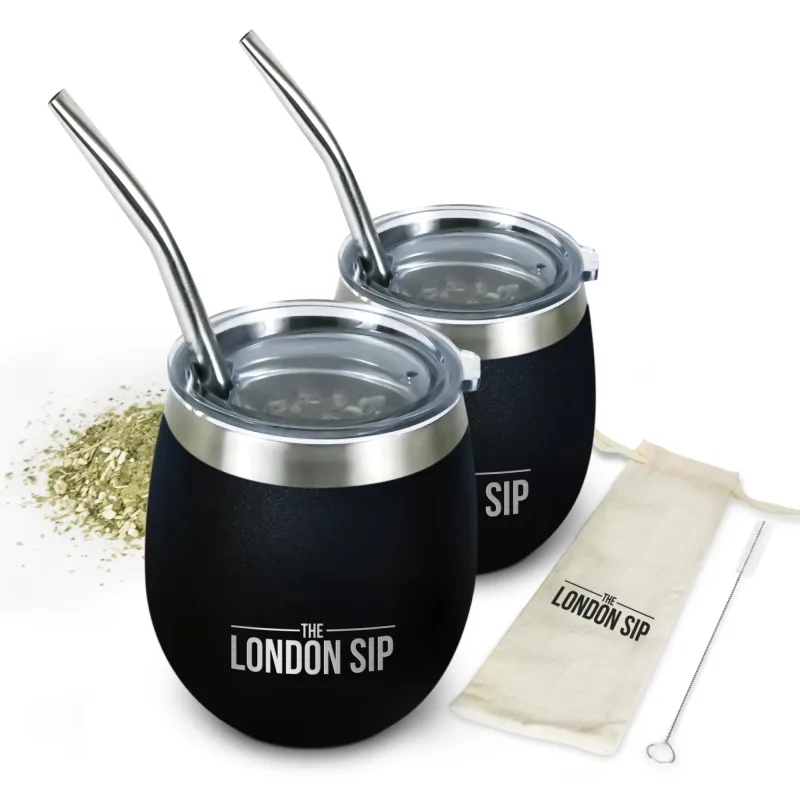
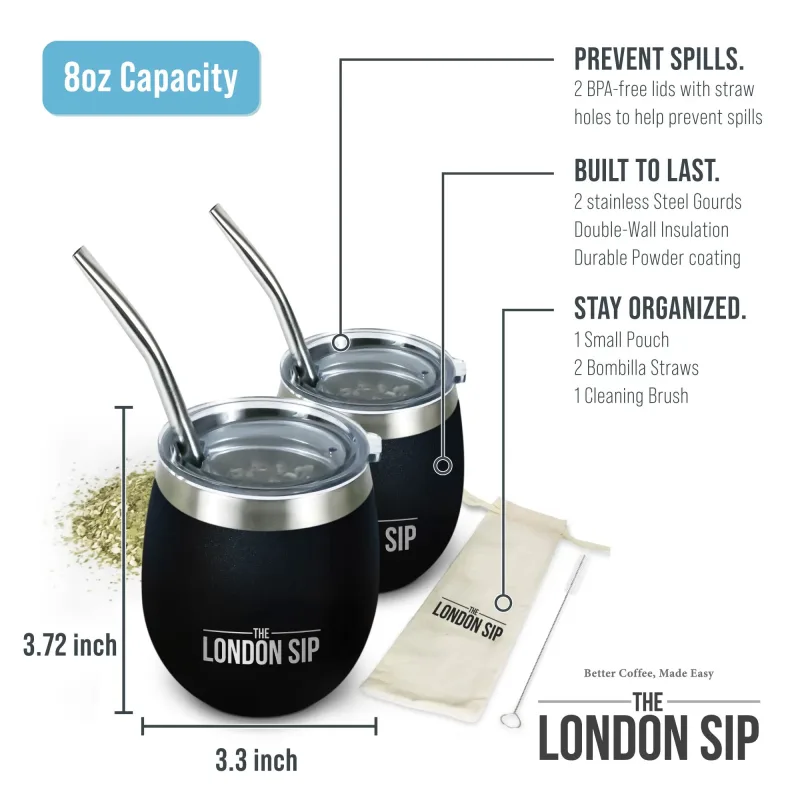
- Beverages: Tea and yerba mate have narrow windows. I use a quick probe with my Yerba Mate Cup Set so the water lands near 170°F instead of scalding the leaf.
Remote Monitoring for Long Cooks
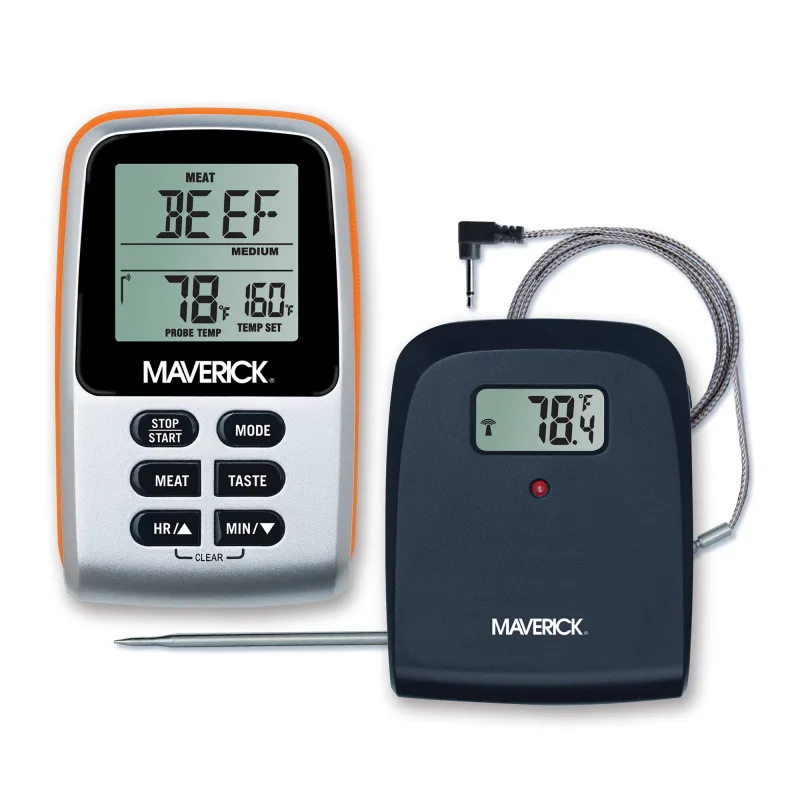
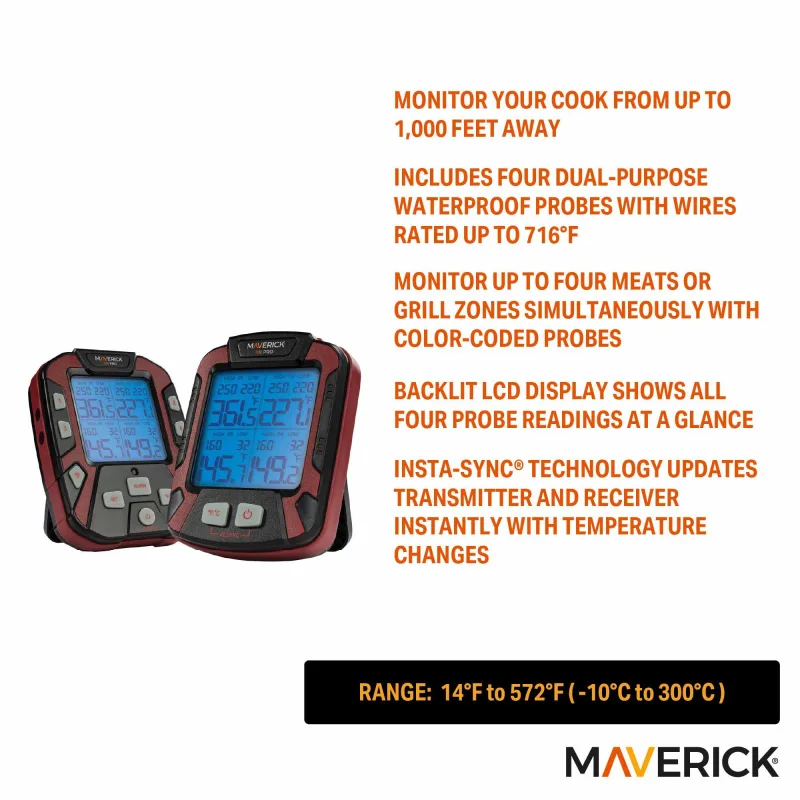
An eight-hour brisket changes the equation. You're not standing at the grill, so you need a unit that talks to you from the couch. A Wireless Remote Cooking Thermometer with a single probe works for one pork shoulder. Add a second protein and you want something like the Extended Range Professional Wireless Thermometer, Four Probe, which lets you track the flat, the point, and the pit temperature at the same time.
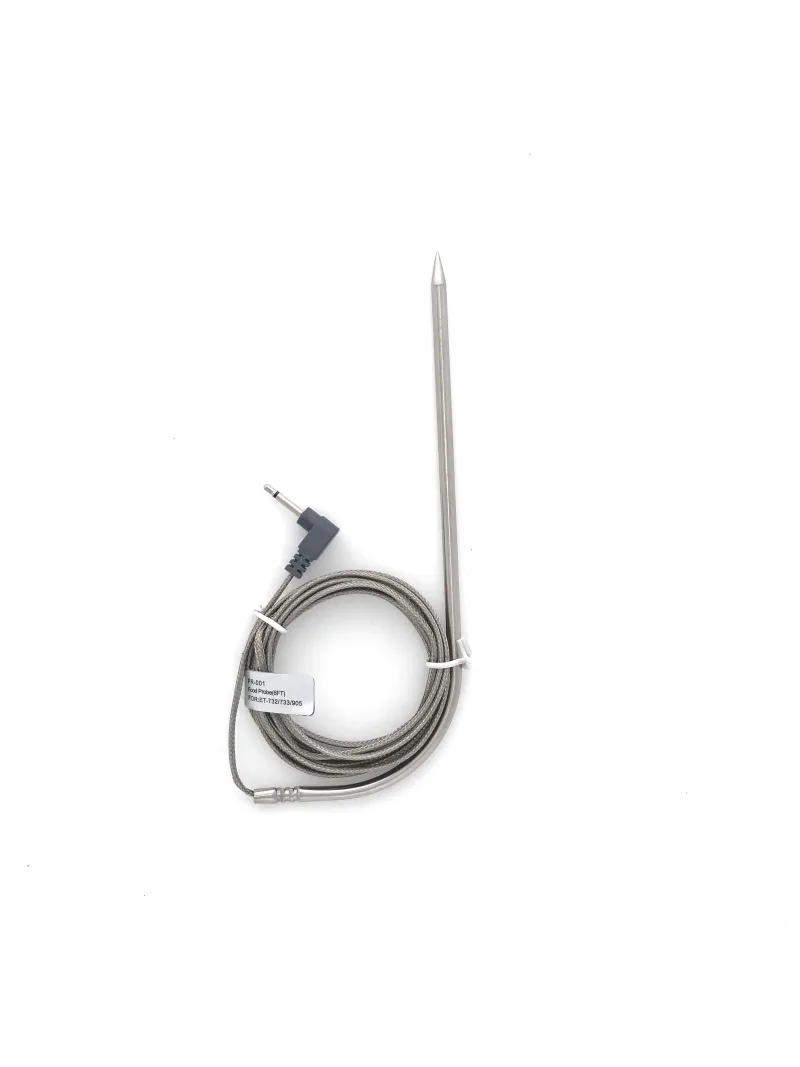
Probes wear out. They get crimped, submerged past the cable, or just stop reading after a few dozen cooks. Keep spares on hand; Maverick Replacement Probes are the cheap insurance that saves a holiday dinner.
Timers matter as much as temperature here. A four-event digital timer lets you stagger a wrap, a spritz, and a rest without juggling your phone.
A Buying Checklist Based on What You Cook
Skip the spec sheet. Answer these instead.
- Do you roast large cuts more than twice a month? Get a thermocouple with the thick 0.310-inch shaft.
- Cooking mostly chicken breasts, fish, and thin steaks? The 0.160-inch probe is the better fit.
- Deep frying or making caramel? You need a high-range thermometer, not a meat probe.
- Running a smoker? Budget for a remote unit plus spare probes.
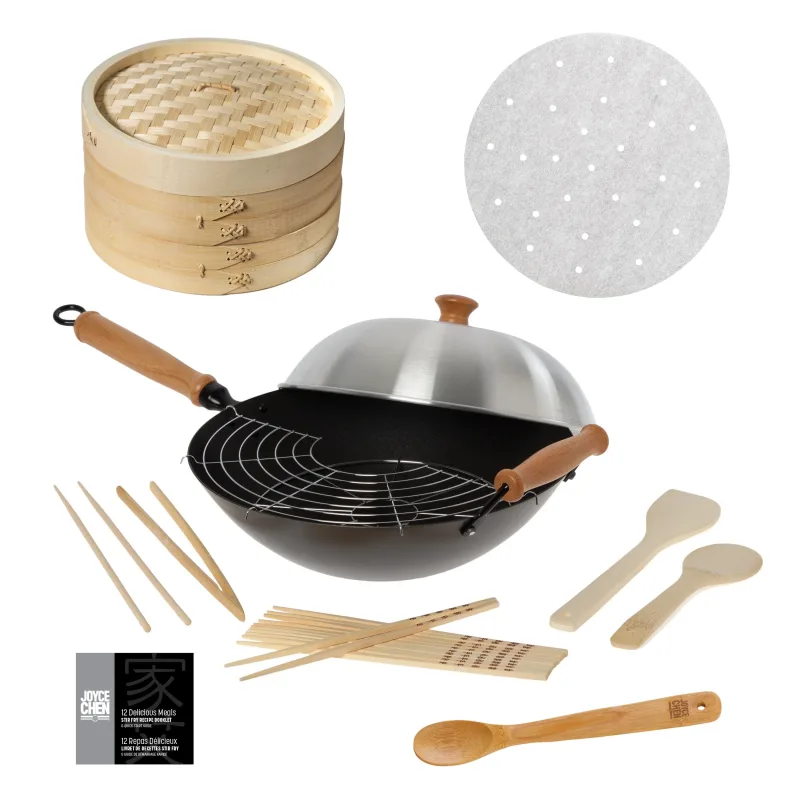
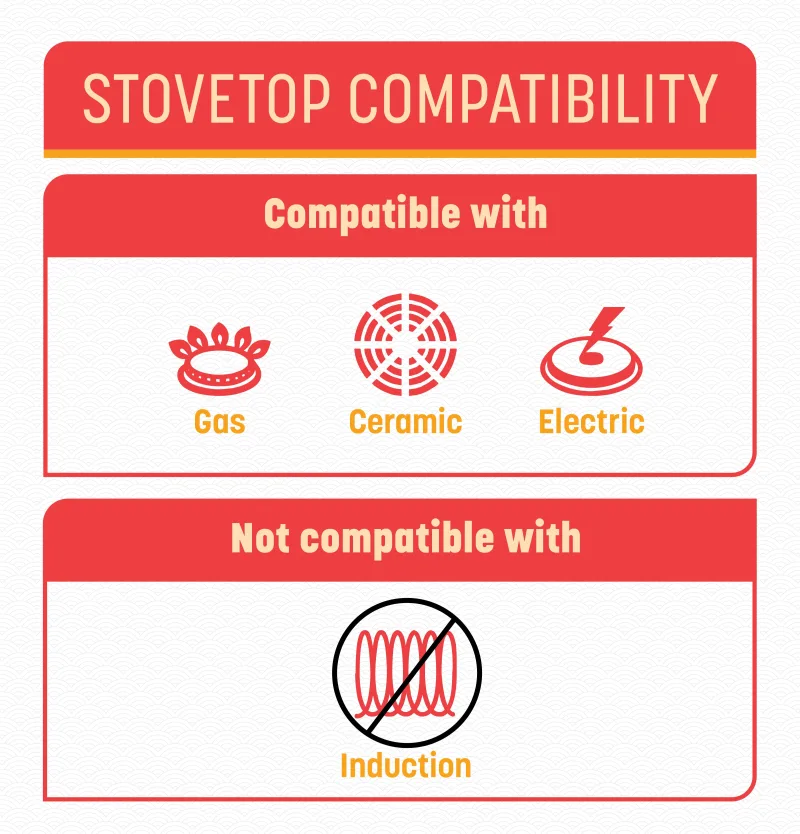
- Stir-frying in a Professional Series Nonstick 14" Wok Bundle, 13 piece? Surface temperature matters less than oil shimmer, so a basic instant read covers it.
One more thing: calibration. Drop your probe in a glass of ice water. If it doesn't read 32°F, adjust it or replace it before you trust it with a $60 roast.