The Five-Minute Check That Saves a Brisket
Last Saturday I pulled a pork shoulder at 203°F, wrapped it, and let it rest. Two hours later the probe slid in like butter, but the meat was dry. The problem wasn't the cook. It was the thermometer reading three degrees high, and it had probably been drifting for weeks.
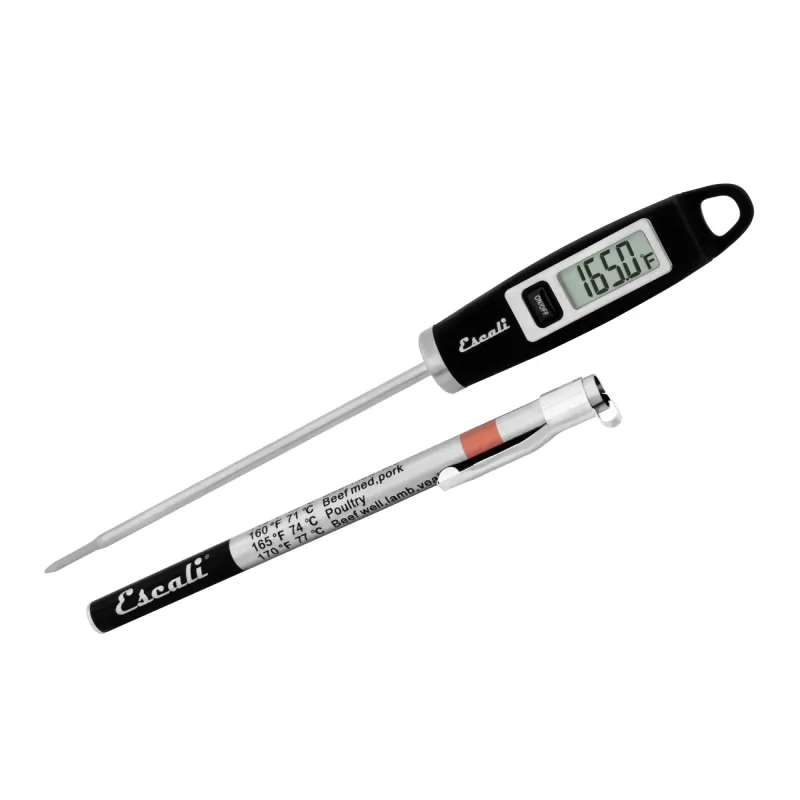
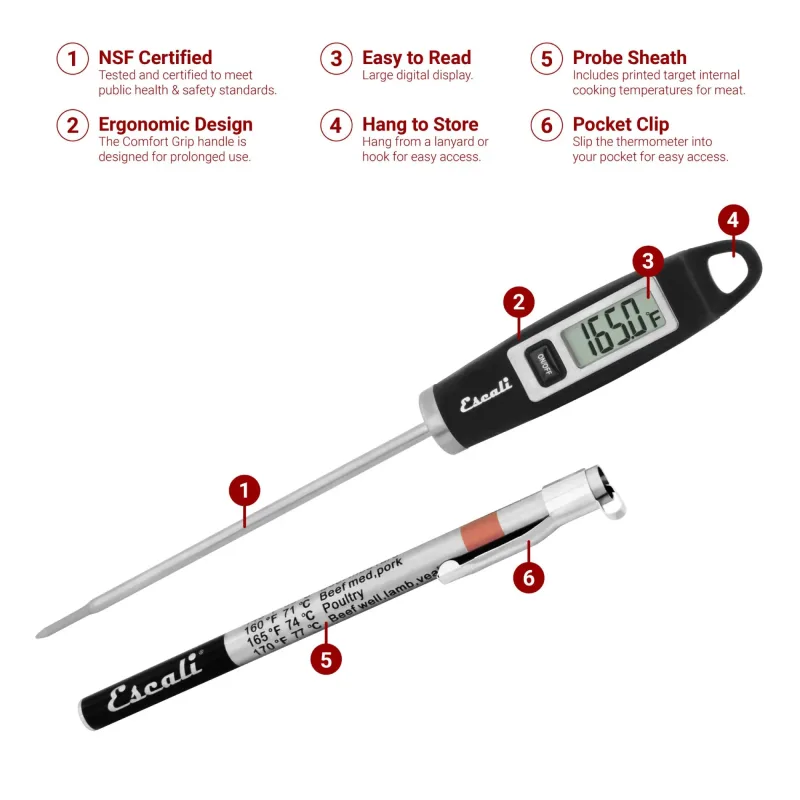
You don't need lab gear to catch that. Fill a tall glass with crushed ice, add cold water, stir for 30 seconds, and stick your probe in the middle without touching the sides or bottom. A Gourmet Digital Thermometer should settle at 32°F. If it reads 35°F or higher, you've been cooking to the wrong target all season.
Why Two Probes Disagree in the Same Roast
Shaft diameter changes everything. A .310" shaft takes longer to reach temperature and reads the average of a wider area. A .160" thermocouple probe responds faster but is more sensitive to where you place it — push it near a bone or into a fat seam and you'll get a number that has nothing to do with the meat.
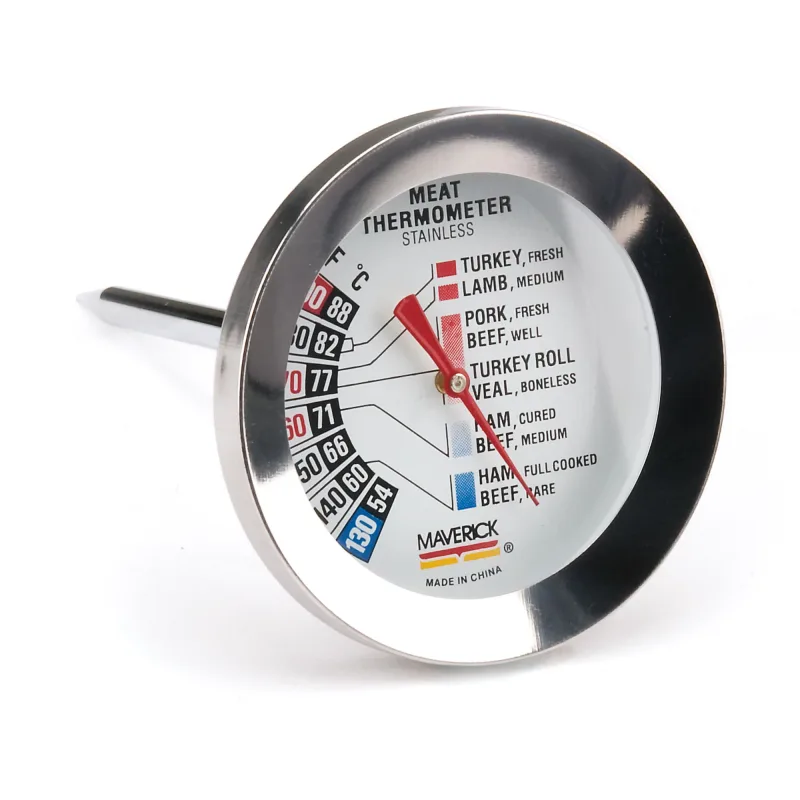
I keep a Pro-Temp Professional Thermocouple Thermometer for fast checks and a heavier Large Dial Meat Thermometer for long cooks where I want a glance from across the patio. On a 4-pound rib roast, the thin probe settled 8°F lower than the thick one when I inserted it at a 45-degree angle toward the center. Same roast. Same minute. Different truth.
The fix is boring: pick one probe, insert it the same way every time, and stop chasing the lowest number you can find.
Ambient Heat Is a Different Measurement
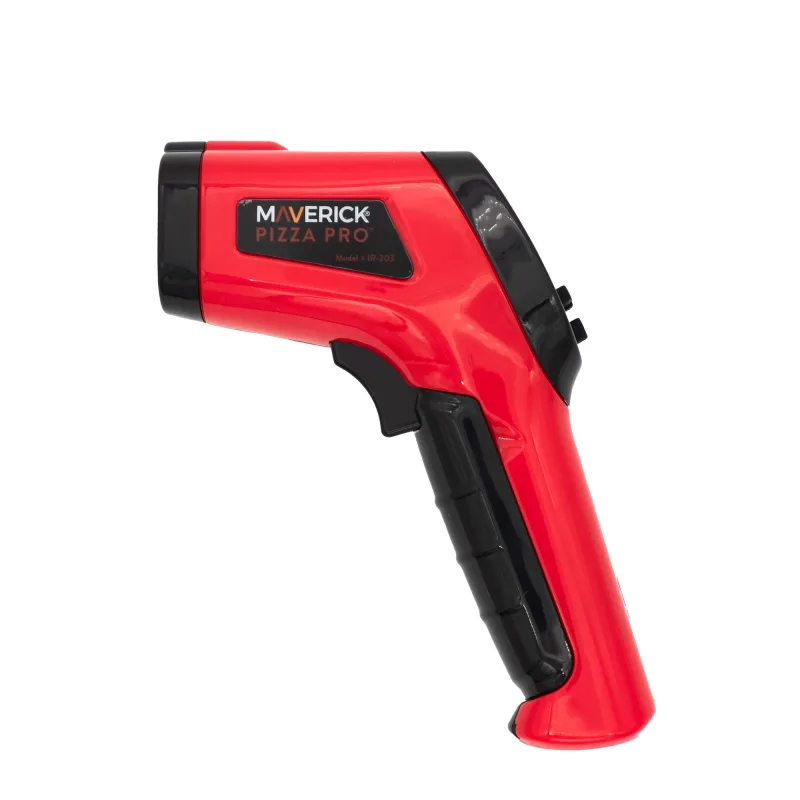
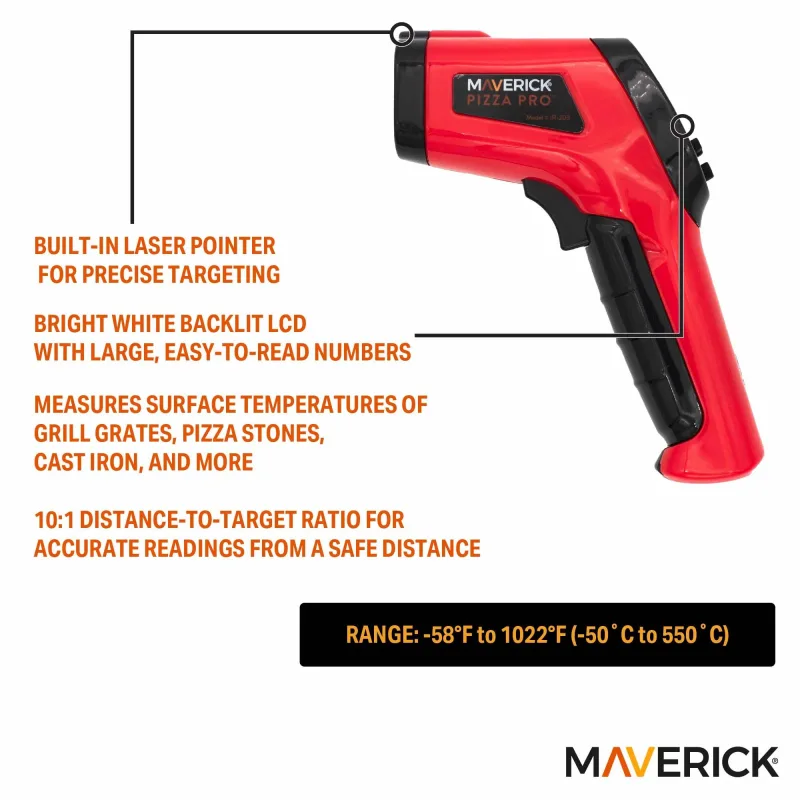
Internal temperature tells you when meat is done. It says nothing about whether your grill is actually at 350°F when the lid thermometer claims 400°F. Drop a Infrared BBQ Surface Thermometer on the grate and you'll see hot spots you've been cooking around for years.
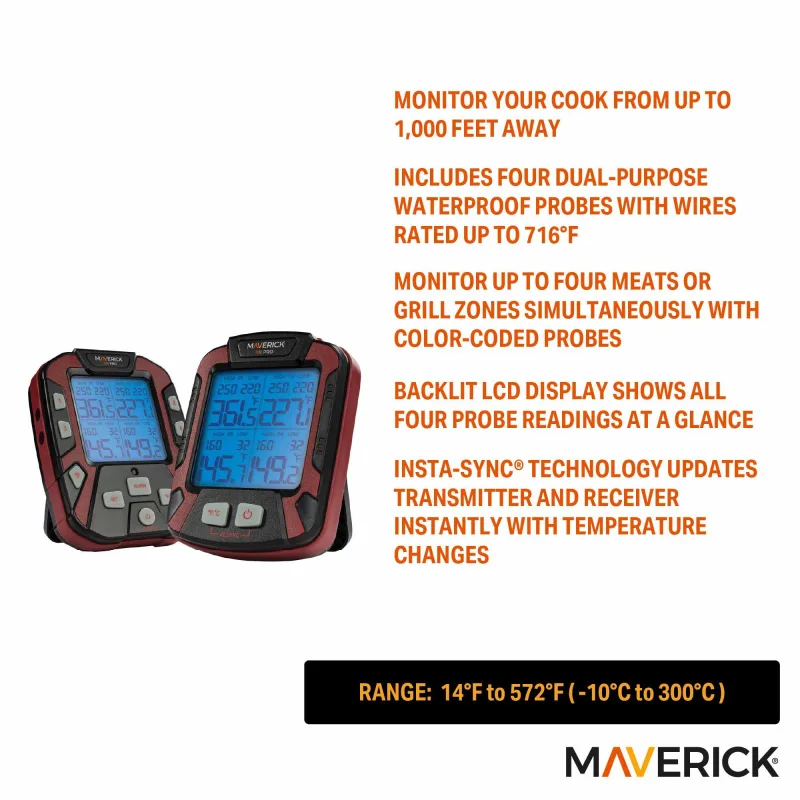
For longer sessions, a wireless four-probe setup earns its keep. The Extended Range Professional Wireless Thermometer, Four Probe lets me track two pork butts and the pit temp without opening the lid every ten minutes, which is its own kind of accuracy problem.
Cold Spots Start Before the Grill
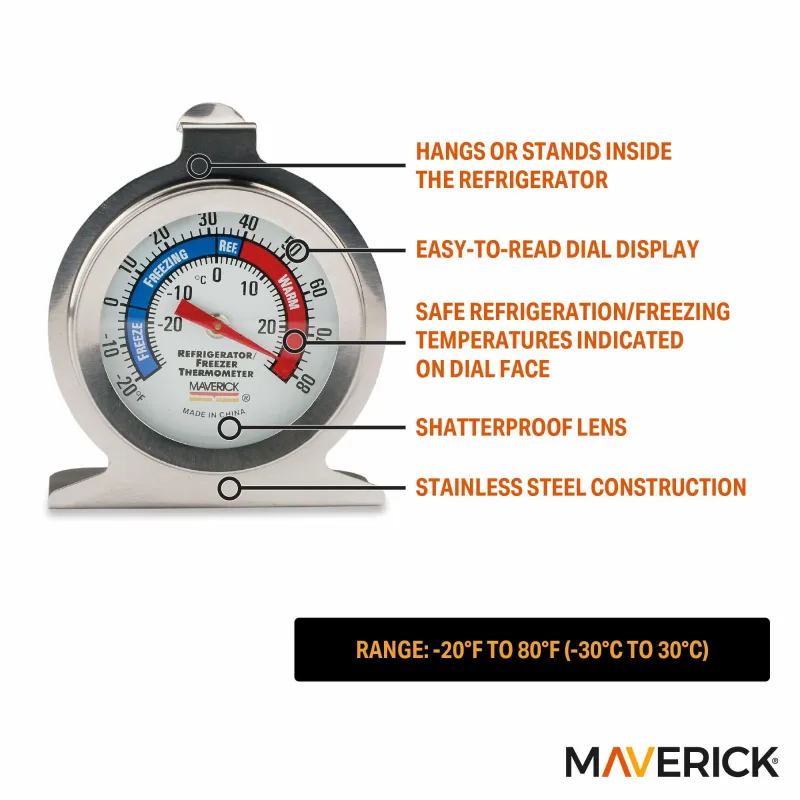
If your brisket sat in a fridge running warm, you're already behind. A cheap Refrigerator/Freezer Thermometer on the middle shelf will tell you more than the dial on the door ever will — door dials read the air near the seal, not the shelf where your meat actually sits.
Mine read 41°F last month while the door gauge said 37°F. I moved the meat to a lower shelf and adjusted the setting before a 14-hour cook instead of after.
- Check the fridge the night before, not the morning of.
- Keep the thermometer away from the back wall and the crisper vents.
- Give it 20 minutes to stabilize after you move it.
Your Pre-Cook Routine
Here's what I do now, every time, and it takes under two minutes.
- Ice water bath. Confirm 32°F.
- Boiling water. Confirm 212°F at your altitude.
- Wipe the probe with a damp cloth and dry it — residue skews readings.
- Log the offset on a sticky note if it's off by a degree or two.
That last step matters more than people think. My old dial ran 2°F high for an entire summer. Knowing the offset let me cook accurately anyway, and it's the reason I still trust that thermometer on the kettle while the digital one lives in the kitchen drawer.
Replace probes that fail the ice bath twice, and keep a spare on hand — a dead probe at hour nine of a cook is a bad time to learn you don't have one.